DIY Chimney Cleaning: A Homeowner’s Guide to Tools, Tips & Safety
Keeping your chimney clean is a crucial part of maintaining a safe and efficient fireplace or heating system. While calling a certified chimney sweep is always the safest choice, many homeowners consider doing the job themselves. This guide breaks down the essentials of DIY chimney cleaning—covering the tools, steps, and safety measures needed to handle the job responsibly.
1. Why Regular Chimney Cleaning Matters
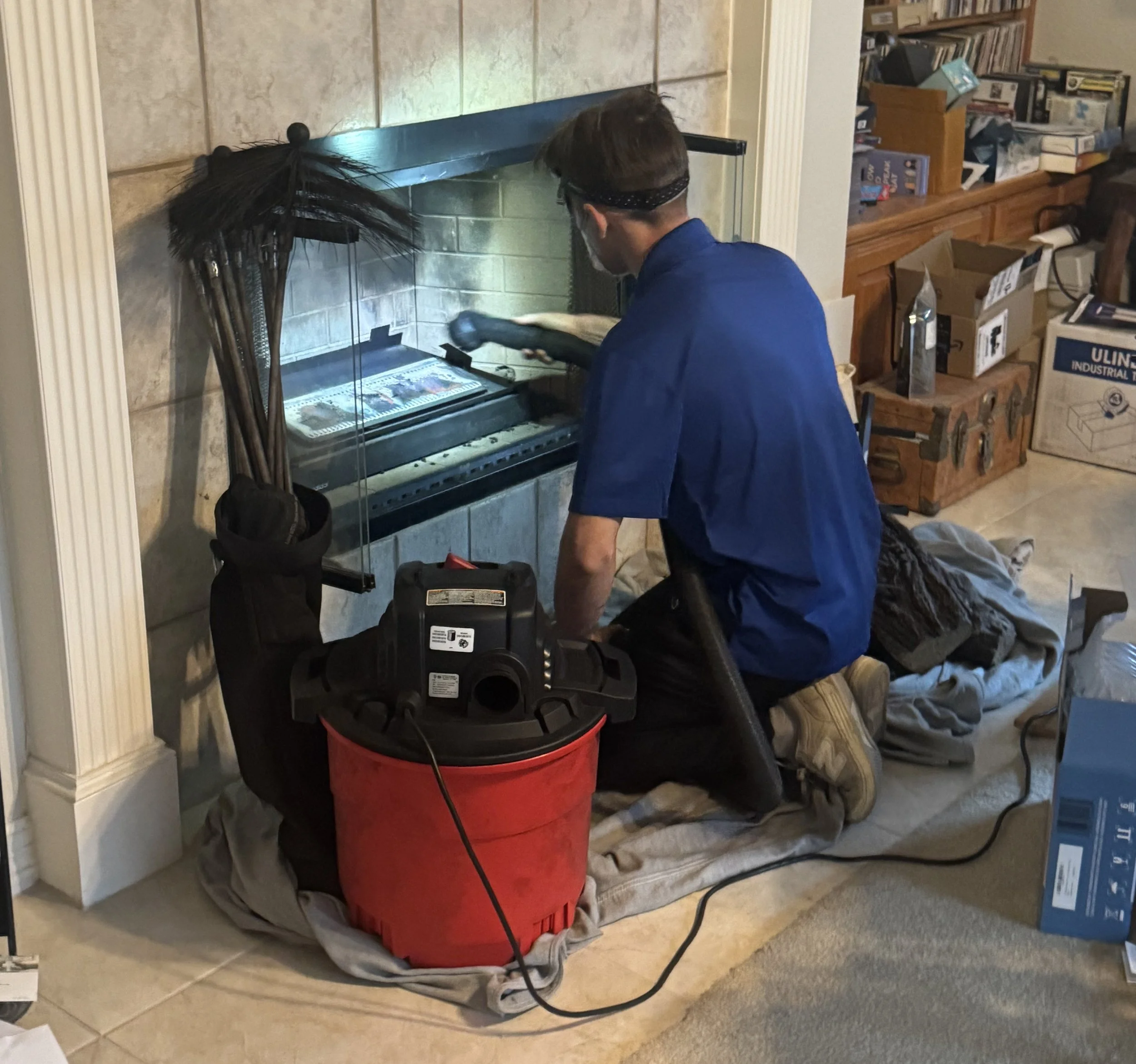
Over time, soot, ash, and creosote collect along the inside walls of your chimney. Creosote—a sticky, tar-like residue—is highly flammable and is one of the leading causes of chimney fires in the United States. A routine cleaning helps reduce fire hazards, improves airflow, prevents carbon monoxide buildup, and protects your chimney from long-term damage.
2. Inspecting Your Chimney Before You Begin
Before jumping into cleaning, take a few minutes to check the current condition of your chimney. Look for visible creosote deposits, debris, or blockages that could make the job more difficult. A thick, glossy buildup often signals heavy creosote accumulation, which may require a professional. Also check for structural issues, such as loose bricks, cracked mortar, or damaged flue tiles, since these problems must be handled by a trained technician.
3. Must-Have Tools for a DIY Chimney Cleaning
Collect the right equipment to ensure a thorough and safe clean:
Chimney brush: Choose a wire or poly brush that matches the shape and diameter of your flue.
Extension rods: These connect to the brush to reach the full chimney height.
Protective tarp or drop cloth: Helps shield floors, furniture, and your hearth from falling soot.
High-powered flashlight: Needed to inspect dark areas inside the chimney.
Dust mask & safety goggles: Essential for protecting lungs and eyes.
Stable ladder: For safely reaching the chimney crown or cap on your roof.
4. Step-by-Step Chimney Cleaning Process
Follow these steps for a safe and effective DIY chimney sweep:
Empty the fireplace or wood stove, removing leftover ashes and debris.
Lay a tarp in front of the opening to catch loose soot.
Climb onto the roof and locate the chimney cap. Remove it carefully.
Attach your chimney brush to the rods and sweep the flue from top to bottom with slow, steady strokes.
Continue brushing until the flue walls feel clean and no more debris falls.
Replace the cap and inspect it for dirt, nests, or obstructions.
Use your flashlight to check the interior again for any remaining buildup.
5. Safety Tips Every DIY Chimney Cleaner Should Follow
Because chimney cleaning involves height, dust, and fire-related hazards, safety should always come first:
Always wear protective eyewear and a dust mask.
Use a sturdy ladder and move slowly when accessing the roof.
If possible, have another adult assist—one inside and one outside.
Avoid cleaning during strong winds, rain, or icy conditions.
Keep a fire extinguisher nearby just in case.

Hiring a Professional Chimney Sweep Provider:
Your main priorities should be the safety and effectiveness of your home's chimney system while deciding between professional and do-it-yourself chimney cleaning. A competent chimney sweep service, such as Patriot Chimney Sweep in San Antonio (Flat Rate $225), can offer maintenance that is specifically catered to your needs and climate. Make an appointment for a chimney cleaning right away to ensure your family's safety and enjoy your fireplace with peace of mind.